
"Are you listening? I am Bulgaria. A handful of land in the mighty shadow of the Balkan Mountains, between the lazy Danube and the mild softness of the Rhodopes, protected by Pirin and Rila, swirled by the gentle blue sea that the Greeks called Black in a dangerous, stormy hour.
Listen to me, I am Bulgaria. At the crossroads between the East and the West, on the border between Europe and Asia..." This is how the story of Yonka Hristova for our beautiful little country begins. Frugally and poetically the opera singer and poetess arranges our colorful historical and cultural mosaic.
And now for 16 years already, her one-man show "The Song of Bulgaria" goes around the world and reveals to our compatriots and to foreigners our good side. And only a month ago - on the 1st of March, she showed it again in Sofia, in the "Dr. Petar Beron 1826" Community Center. Days later, on the 6th of March, Yonka Hristova made a grand song-poetry recital "The Song of Bulgaria" on the occasion of her important anniversary - 35 years on the opera stage, and she dedicated it to our national holiday. In the big hall of the Russian Cultural and Information Center, the Mezzo-soprano performed beloved songs from various programs in 10 different languages. She also read her poems dedicated to Bulgaria.
In fact, "The Song of Bulgaria" was born in 2002
from nostalgia and love for the homeland.
Then, Yonka Hristova, who has been living and working for many years at the Mannheim Theater, was invited by the Society for Cultural Encounters in the city to make the screenplay for an evening devoted to Bulgaria. And she did. Because her heart is resentful of the "palette of ignorance" of the Europeans, for whom Bulgaria means "cheap holidays to the sea" and "good opera singers" but mostly "communism, corruption and garlic". She writes it in German. The effect of the evening exceeded her expectations. After the first performance both Bulgarians and Germans cried, enchanted by the power of the magic, called Bulgaria.
Soon afterwards, Yonka Hristova made another such evening at the city's museum. The interest was so great that she begun to export "The Bulgarian Evening" in a number of cities: Bonn, Berlin, Bielefeld, Frankfurt ... Everywhere the audience requested a copy of the text. Finally, Yonka decided to release it; and she prepared it for print under the name "The Song of Bulgaria". "Here it is. I wrote it 2,000 kilometers and 20 years away from Bulgaria. I wrote it not with my reason, but with my heart, "she says on the introduction to the booklet. The text is accompanied by the photographs of Jost-Johann Wacker - a German, married to a Bulgarian woman who toured our country and took pictures. The German version was immediately sold-out. The second edition follows. And therefore our compatriots in Germany are making her translate the lyrics into Bulgarian, for their children.
Ambassador of Bulgaria
The poetry recitals get well-known and become a trademark of Yonka Hristova. "The Song of Bulgaria" invites listeners to a fascinating journey through 2,500 years of culture and art on our lands. It is clear that all Bulgarians abroad accept this mono spectacle in an emotional level. But Yonka admits: "I am most concerned about the reaction of the Germans, who admit to me that they did not even imagine that our country had such a history and culture. After such a night, a man told me: "You know, I cannot imagine a better ambassador of Bulgaria than you. And I'm sad that no German has ever been able to write such a thing about Germany".
Years pass by; the poetry recitals follow one after the other. Yonka Hristova organizes recitals with her other poetry collections. Next year, she plans to present "The Song of Bulgaria" in Mannheim, which she performed in Sofia for her 35th on-stage-anniversary - in German, for the German audience. She is going to dedicate it to the 140th anniversary of the Liberation of Bulgaria.
Currently, she is an active member of the KulturQuer cultural company in Germany, which means "Culture Across". It is international, its members are from 25 countries. They make recitals, exhibitions, concerts and festivals. For Yonka, this is another opportunity to present Bulgaria and its culture. It seems that one has to live far from home to appreciate it and to do so much for it. And our singer has now lived in Germany for 35 years. She is taken there by
the dream for the opera scene.
"I have been reared with the German culture. My grandfather and grandmother studied in Germany. And when at my fragile age of 5-6, the question of which language I would learn arose the two of them said - German, because they could help me. And I went to a German kindergarten. I studied this language up to the 7th grade. But then I wanted to master some other language and I enrolled in the French High School in Sofia. I never supposed I would return to the German language one day and make a living out of it".
After high school the young girl was accepted as a student at the National Academy of Music "Prof. Pancho Vladigerov". But in parallel with the opera singing she studied Spanish Philology at the Sofia University with a second major in Italian Language. After graduating, she worked for two years as a translator, with almost all creative alliances: the Union of the Bulgarian Artists, the Union of the Bulgarian Writers, the Culture Committee. So she met many interesting people not only from Bulgaria but from all over the world. She shares that she still translates with pleasure both books and other things.
"But I've dreamt of being a singer all my life-since my mother took me at the age of 5 for the first time to the opera of "The Seville Barber". In 1982 I went to Germany and my life was always connected to the stage. By 1987 I was in the opera of the city of Hoff. Back then it was at the edge of the Federal Republic, at the corner of the GDR and the Czech Republic. The wire border networks were10-kilometers away. The opera in this town was small but served a large region. We traveled a lot around the nearby cities. It was difficult for me because I had already taken my son from Bulgaria. He was small, and he had to stay alone often. That's why I searched for another job and since 1987 I am in the National Theater in Mannheim.
For singers, Germany is a big and good opportunity
The Germans themselves do not have very good singers. Only in West Germany then there were about 80 opera theaters! This gave many Bulgarians the opportunity to work there before the changes. Then things changed. Americans, Koreans, Japanese people came and it became very difficult for us. And the conditions became very strict. Good German language skills are already required".
Yonka Hristova started singing in the choir of the opera. It was very important to her to have some security. The soloists were not insured that they will remain at work. While being in the choir after the first year everyone would get a permanent contract. And because Germany is the only state in Europe that guarantees it, Yonka remains there until today. But she also had a lot of concerts. She mainly makes chamber programs with piano accompaniment. At the Mannheim Opera Theater every year there is also one matinee of hers with chamber music and poetry. It is accompanied by her colleagues from the opera – the pianists Lorenzo di Toro (Italy) and Delia Stegarescu (Romania). Such a thing she is trying to do once a year in Bulgaria - in Sofia and Varna. The accompaniment here is by Pr. Boryana Lambreva.
"Today I can say I'm lucky. My profession is my hobby. I do not live with the soloist's tension, but I love to sing, I like to be on stage, to wear a different costume every night, to be someone else. My work is a great pleasure. As is literature - my other passion."
The blue notebook
When young Yonka does not like reading poetry, she prefers the novels. But at some point in the French High School she started writing poems. She documented them in a small blue notebook. "And I do not know what happened and how it happened", she says. But the one thing is certain - it is not a teenager's passion, but a love for a lifetime. She continues to write poetry today. Her literature teacher then strongly hoped her talented student would apply at the Maxim Gorki Literary Institute in Moscow. But Yonka wanted to study and sing and she stayed in Sofia. But...
"There was always a circle of nearby people around me who read the writings. One of them was Svetlin Rusev. I knew him from my work as a translator in the UBA. And when in 1982 I decided to go to work in Germany, Svetlin Rusev, then Deputy Minister of Culture, helped me a lot. I kept on writing. I sent him poems even from there, and he kept repeating, "We have to publish a book, we have to give you a book..." While in 1998 he asked me to send him some things and he did it himself. Thus "Nostalgia" my first book with his paintings appeared."
Since then Yonka Hristova publishes something every year. From the first to the last book, they are all illustrated with paintings of Svetlin Rusev. The only exception is "The Song of Bulgaria". "Nostalgia" was very quickly sold-out and in 1999 they made a second edition. "And I seemed to be encouraged by the way my verses were accepted. That same year I dared to release a second poetry collection - "Seasons". I named it like this for several reasons. Mostly because I liked the game of words -
Seasons in nature, seasons in the opera, seasons in life...
At one point the blue notebook from my school years disappeared. I figured out I lost it. And just before the "Seasons" debut, I met Svetlin Russev's former secretary. Already in retirement, she admitted that by releasing her desk, she found my blue notebook. So in "Impressions" (2000), my third book, I included the poems from it. My very first things - very small impressions."
Her next book, "Counterpoints" (2001), is related to music. This concept means holding two or more voices, each being independent, none subordinate to the other. But counterpoint means also opposing something. That's why her entire collection of poems is in black and white.
Much of Yonka's poetry was published in German. "Years ago I was invited to Bielefeld to make a recital. And there I met my German acquaintance, a retired literary teacher who was connected with Bulgaria because her father was a pastor in Bulgaria. She knew Bulgarian and asked me to send her my works. I recommended that I give them in German. So, in 2003, "Nestinarski Dances" came out. I have linked verses in this poetry collection with fire dancing, which has always attracted me as imagery and a philosophy. I presented them on a poetic recitation and they were accepted very warmly."
The translations of all her verses Yonka makes herself. She says she usually writes them first in Bulgarian and then in German. She does not trust an interpreter because she thinks no one can deliver her rhythm and music the way she wants.
Then other books followed: "Confessions" (2004), "Bulgarian Woman" (2007), "For Love and Summer" (2012).
Her latest collection of poems is the Jubilee "Ash of Roses", in which she has included the best of what she has written so far. From its cover the painting of Svetlin Rusev - "The Red Rose" looks at us. And on its back is the photo of Yonka Hristova, who sings in a red dress - like a Bulgarian rose - on the stage. Below it we read
Rose Ashes
Afterword.
Days run out - relentless -
Through the gorge of time.
The thread is unreeled,
Until it breaks.
Moonlight Sonata.
Rose Ashes.
Yonka Hristova shares that life in Germany is easy from a domestic point of view. All foods are so pre-prepared that the eating is fast. The chicken is cooked for half an hour, the meat for twenty minutes. Not to mention the semi-finished products. "But Germany has changed a lot since I left. Then things were easy and simple in every respect - medical insurance, documents, and so on. But now it is a state of forms and bureaucracy. Sometimes I fill them for hours. When my husband or other family relatives come, everyone is stunned by what I have to prepare – anything for anywhere. But in Germany it is calm, it is secure. I live in a city that is not very large – of about 360 thousand inhabitants, but there is a first class opera. My sons grew up in it. They are already big men, they have gone their way. The elder one - Alexander, is 40 years old, an economist. He gave me two grandsons - Simeon, who will be in the fifth grade this fall, and Sasha, who will be in first. The little one - Vasil, my sister's son, who I adopted years ago, is already 33 years old. He was crazy on computers and accomplished his dream of working in a computer company. My husband, sports journalist Boris Kasabov, lives in Sofia. Our occupations and lifestyles require us to live separated, but we love each other and we use every holiday and opportunity to see each other. "
These are a few strokes of the woman's life, bearing in her heart two countries - Bulgaria and Germany, torn in her soul by two passions - singing and poetry. The woman who dared to turn the "Song of Bulgaria" into verses with which to say:
Listen to me - I am Bulgaria.
A handful of land in the shadow of the Balkan.
Excavated at the crossroads between the West and the East.
Ruined - by slavery.
By ruthless politics and economy.
Forgotten by all.
I sing when the tears tighten my throat.
I dance in the fire to cool the pain.
My children are looking for their luck abroad.
I do not stop them - maternal fate.
I live in their hearts as a non-healing wound.
Listen to me - I am Bulgaria.
My capital
Bears the Greek name for wisdom.
My valleys smell of roses.
My songs fly into space.
I am Bulgaria - and I am alive.
Photos: personal archive of Yonka Hristova


|
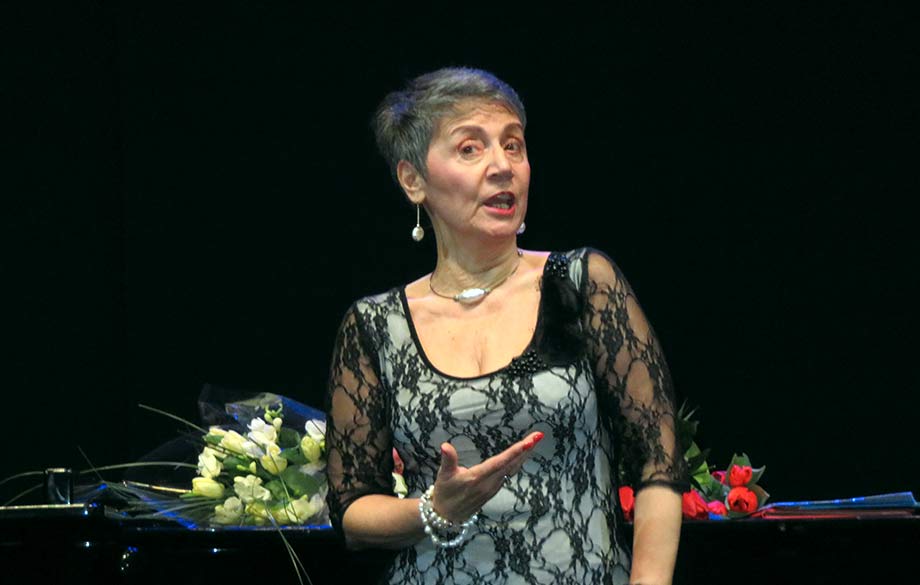
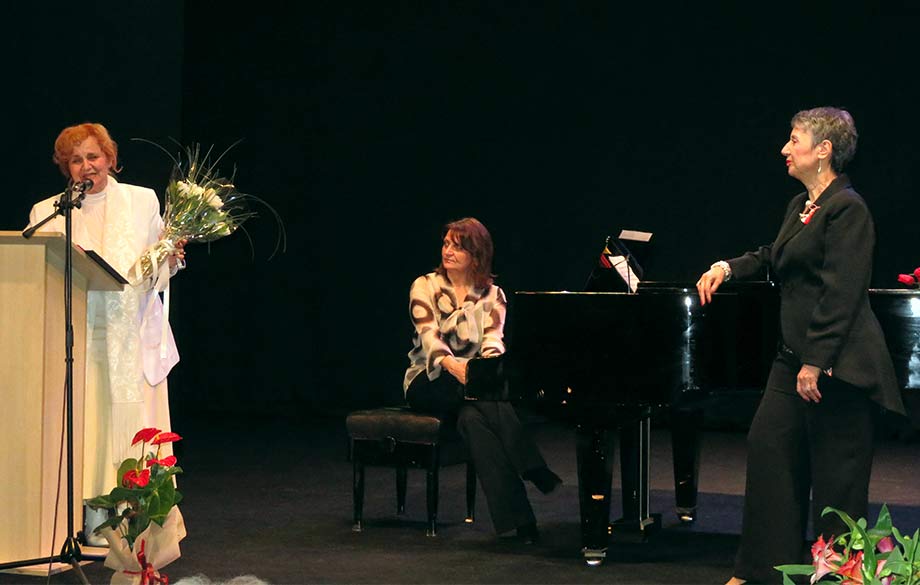
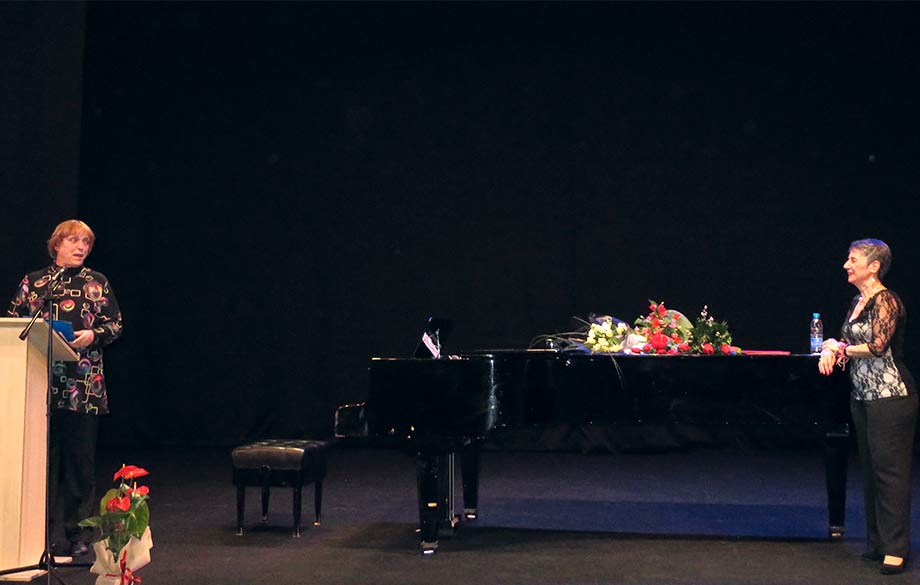
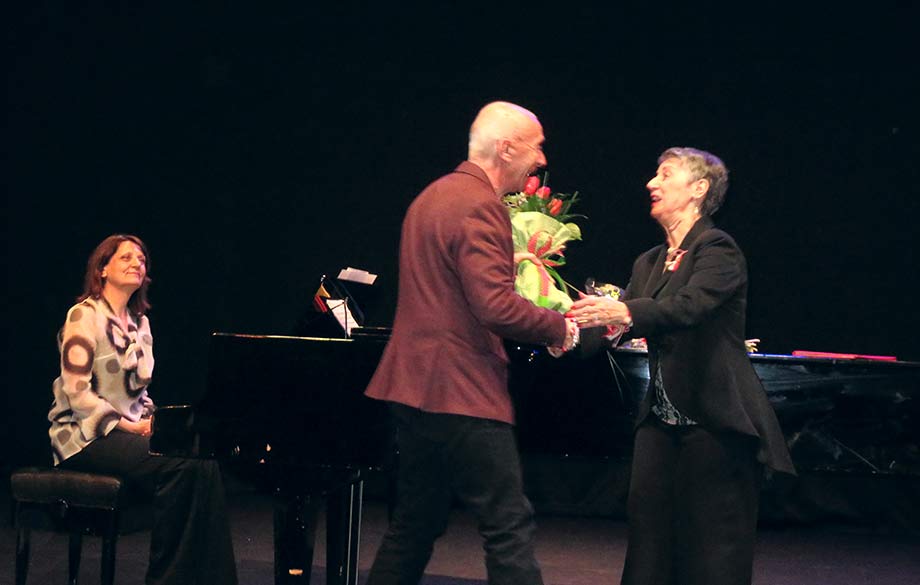
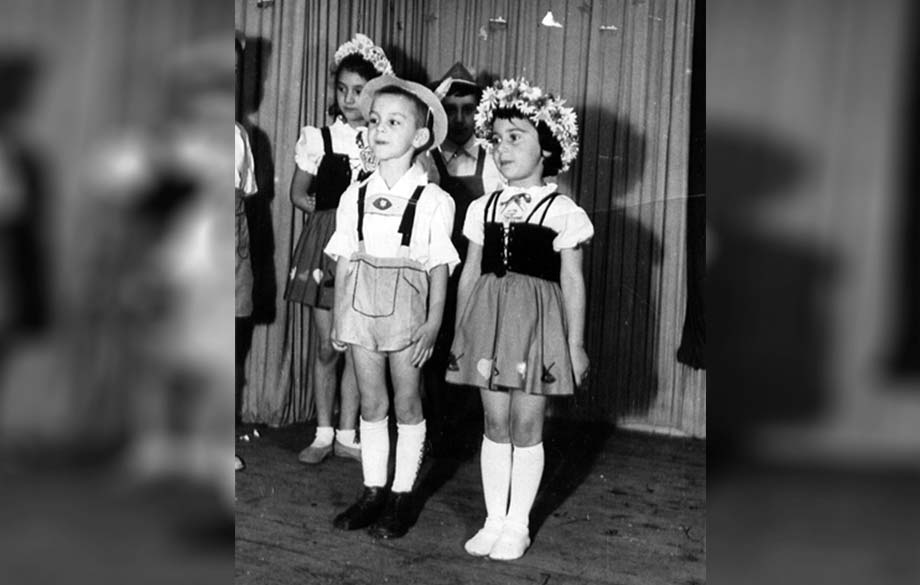
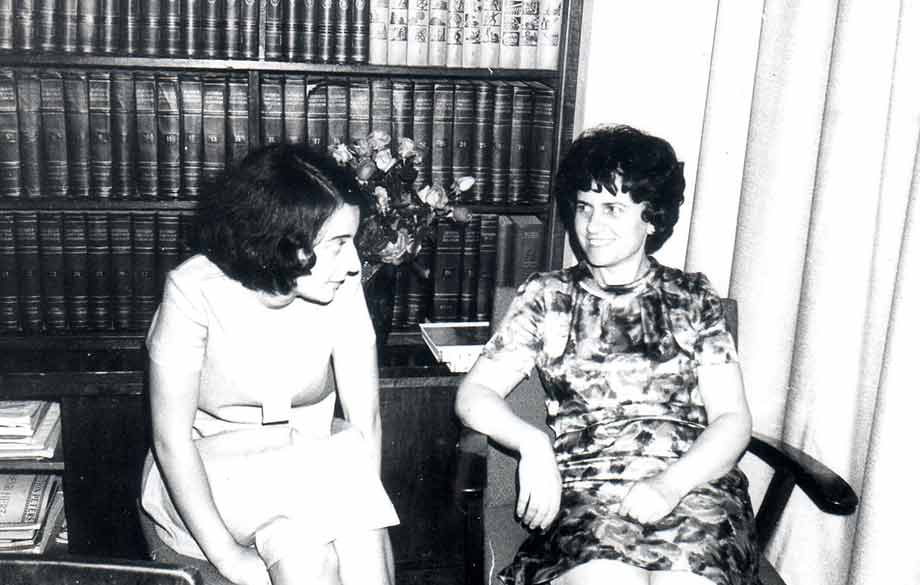
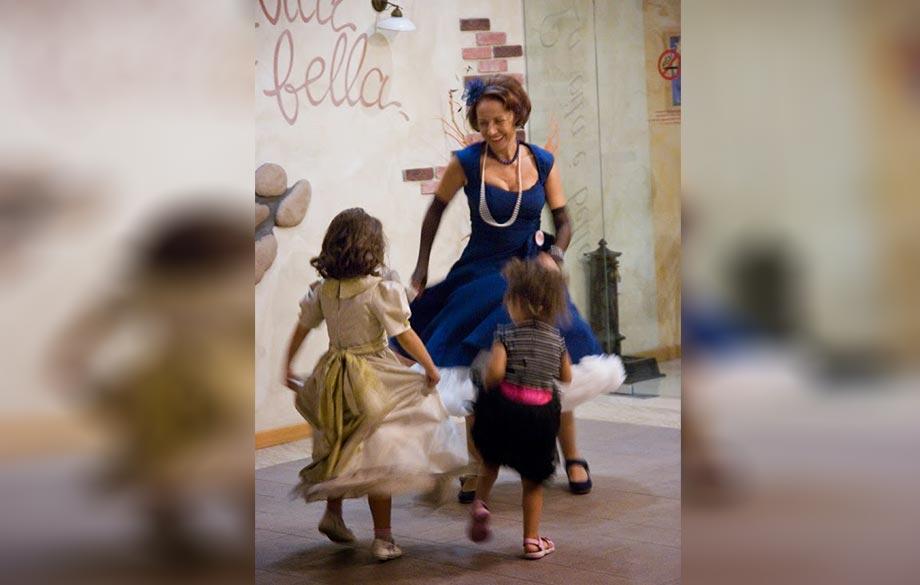
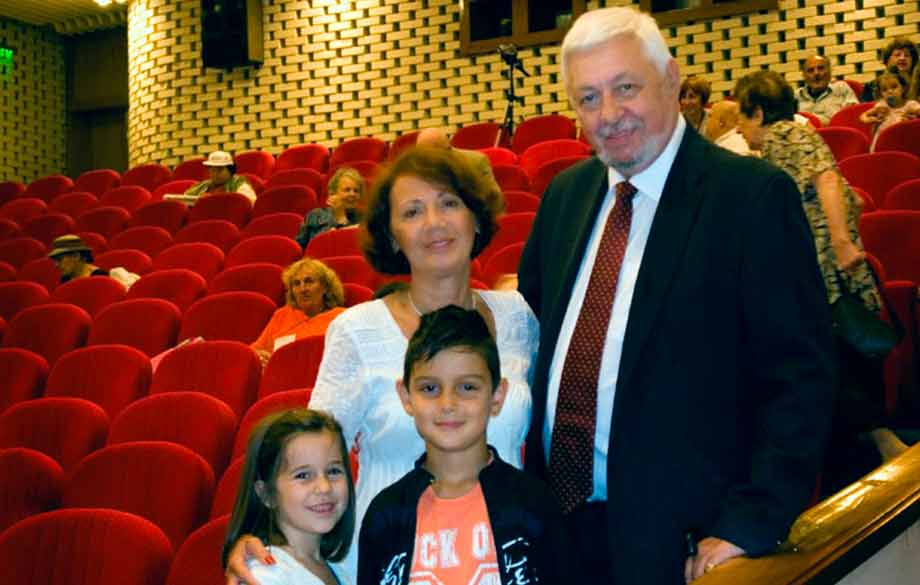
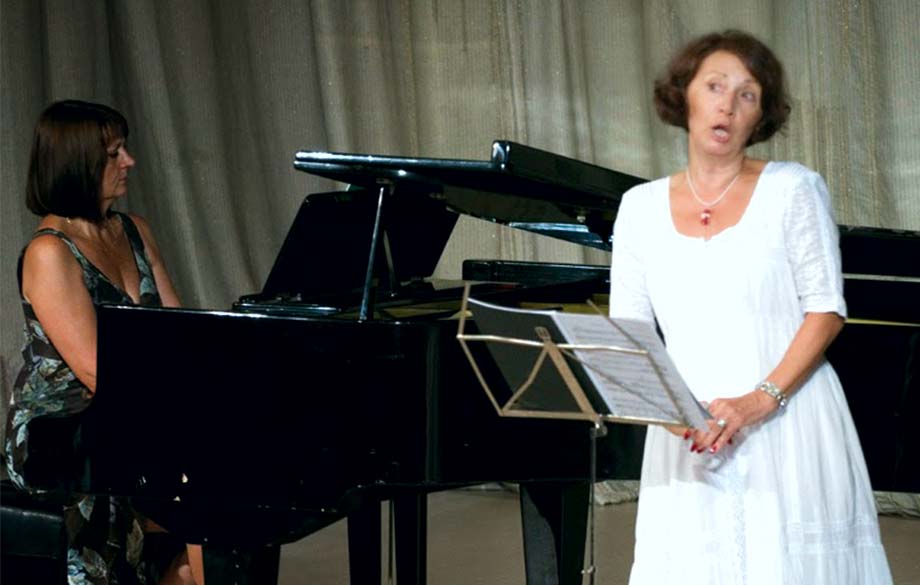
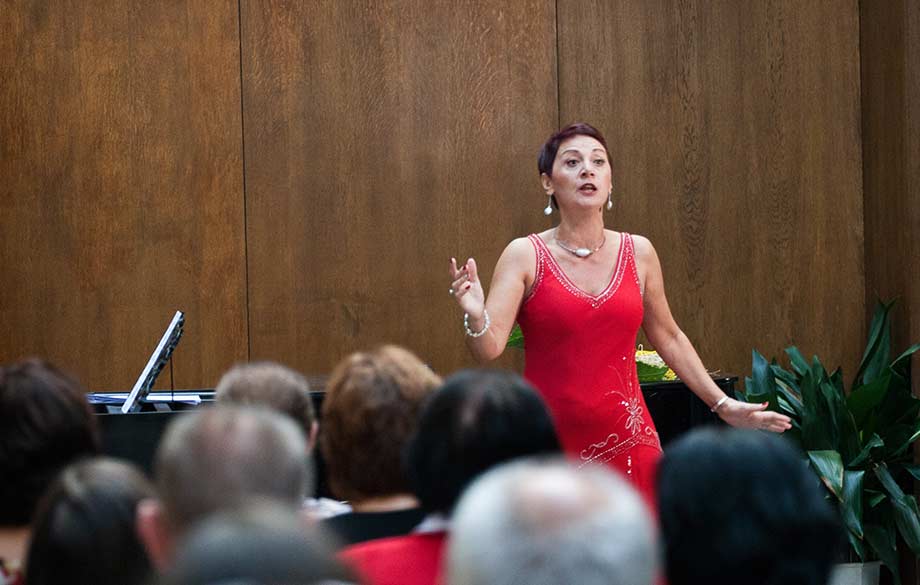
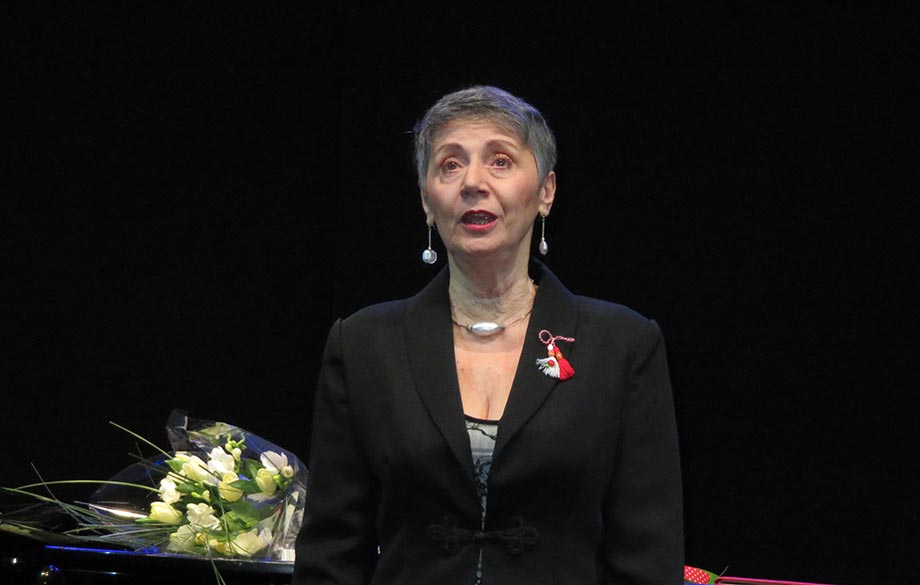
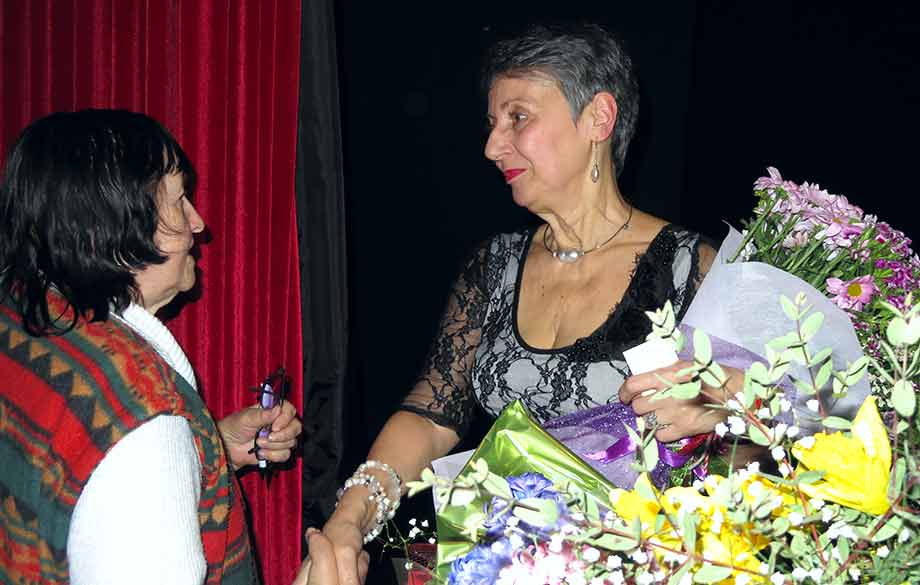
Above: On 1 March in the "Petar Beron 1826" Community Cultural Center in Sofia, Yonka Hristova presented once again her one-man show "The Song of Bulgaria".
First row: Moments of the song-poetry recital "The Songt of Bulgaria", which took place on March 6 in the RCIC and was dedicated to her anniversary - 35 years of the opera scene.
Second row: seasons in life
Third row: seasons in the opera