

From November 26th 2015 to January 31th 2016 in Hall 19 in "Kvadrat 500" can be seen a unique exhibition. The exhibition presents a selection of works from the European graphic art collection owned by the National Gallery.
Some 80 prints have been chosen to offer a glimpse at the achievements, roads and accomplishments of graphic art through a long historical period – from the 17th to the end of the 20th century.
During this long time, artists became more and more aware of the opportunities of printmaking, the democratism of graphic prints and their capacity to reach a much wider public, in contrast to paintings – unique and expensive. In printmaking, viewers will not contemplate the “original” work – the wooden board, the metal plate or the lithographic limestone the artist actually worked on – but rather the printed copies, the mirror images impressed on paper, the mark left on the material. The fact that the graphic print is a mirror image of the original work gives an idea of the difficulty an artist has to deal with in creating every single piece.
The exposition also presents the variety of existing graphic techniques: etching, aquatint, lithography, xilography, serigraphy – each using its own set of tools, having its own peculiarities and approaches to bring forth the idiosyncratic skills of their authors into the finalized work. The selection also allows viewers to compare the skills of different artists in one and the same technique, to see how this technique serves the creative ideas of the artists or how they formulate their interests depending on the specifics of the media.
Accessibility of printed graphics to a great number of various collectors has sometimes determined the characteristics of the images and the very meaning of their existence. Rembrandt's small prints used to sell for “petty change” and helped the great master keep his budget, yet sometimes in these he produced metaphors about his own fate as an artist – by depicting paupers, for instance.
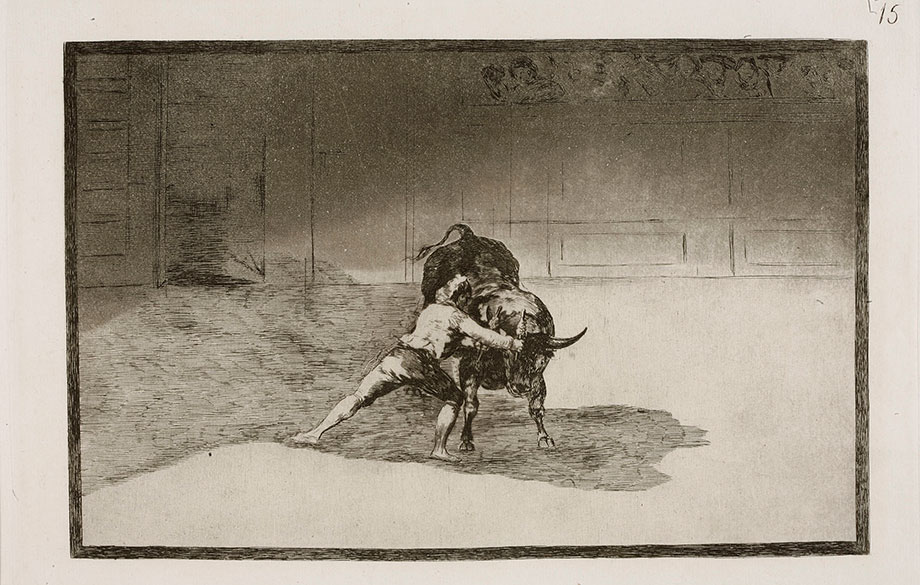
The topics of power and strength, of violence and its victims – among the innocent as usual – pictured in Goya's The Disasters of War and La Tauromaqia series, Kathe Kollwitz's sheets that will never lose their grip on the viewer, Dommie's bile and sarcasm reaching the expressive power of caricature art, Dali's graphic sheets showing his respect for the history of art but also his never ending willingness to match its heroes... Picasso produced more than 100 000 graphic works in his lifetime – their variety is impressive even in the small sample of his huge work owned by the National Gallery.
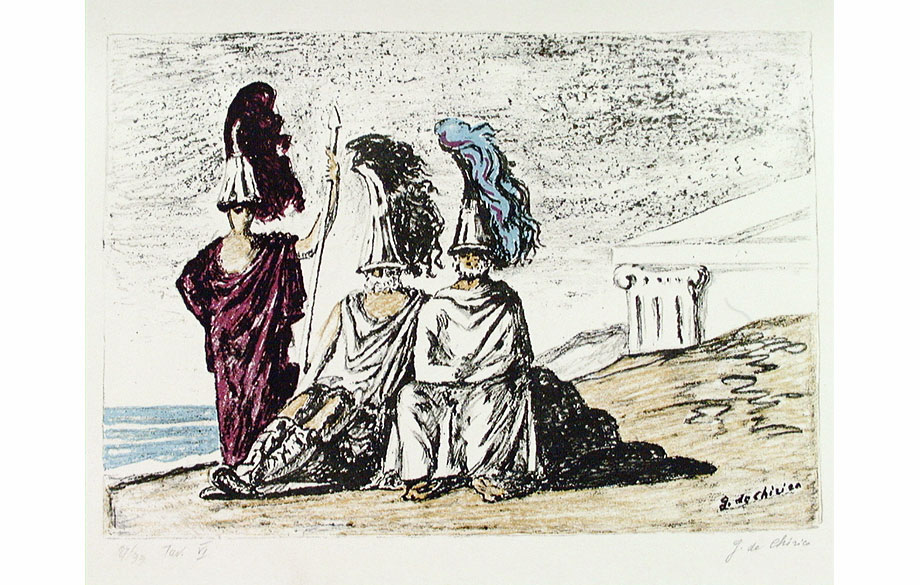
Many of the artists use graphics as a testing field to formulate their creative experiments and define more precisely their visual languages: Manet, Steinlen, Maillol, Kandinsky, Picasso, Chagall, Ruo, Dali, De Chirico, Vasarely, Marini, Sempere, Canogarand other artists and sculptors who also seem happy to resort to the advantages of the press.
The exhibition will feature works by “strict” graphic artists from the second half of the 20th century, such as Raikashy, Brunovski, Kalai, Gazovic, who demonstrate the independence of their language now popular through various international events attracting artists and viewers from all over the world.
The graphics collection of the National Gallery follows closely the process of this art's emancipation as an art in its own right. The beginning was laid down at the end of the 19th century, when the Art Devision of the People's Museum was established. In 1939, the Art Division acquired Zachari Zograph's private collection of some 1000 European etchings. In the 1950's, the National Art Gallery was instituted and its Foreign Art Division continued to acquire new works until the National Gallery for Foreign Art came into being, in 1985, following which the collection continued to grow. This time coincided with the growing popularity of Graphic Arts biennials all over the world. One of these events was the International Graphic Art biennial held in the city of Varna in Bulgaria – a great number of the awarded works were later on acquired by the National Gallery for Foreign Art.
Nowadays, when digital technologies seem to replace traditional “making” of art, it would be very interesting to see once more the unique features of each of the traditional techniques, the exquisiteness and clarity they achieved through the centuries.
|
|
Information and photo provided by the the National Gallery in Sofia.
Above: Salvador Dali (1904 – 1989). Spain
American Trotting Horses № 2, about 1971. Lithography
Below:
- Giorgio De Chirico (1888 – ¬1978), Italy. The Warriors on the Way Back from Troy, from the "Greek Mythology" Cycle, 1966. Lithography
- Francisco José de Goya y Lucientes (1746¬ – 1828), Spain. The famous Martincho places the banderillas playing the bull with the movement of his body, from the "Bullfighting (La Tauromaquia)” Series, 1815 – 1816. Etching, dry point, aquatint
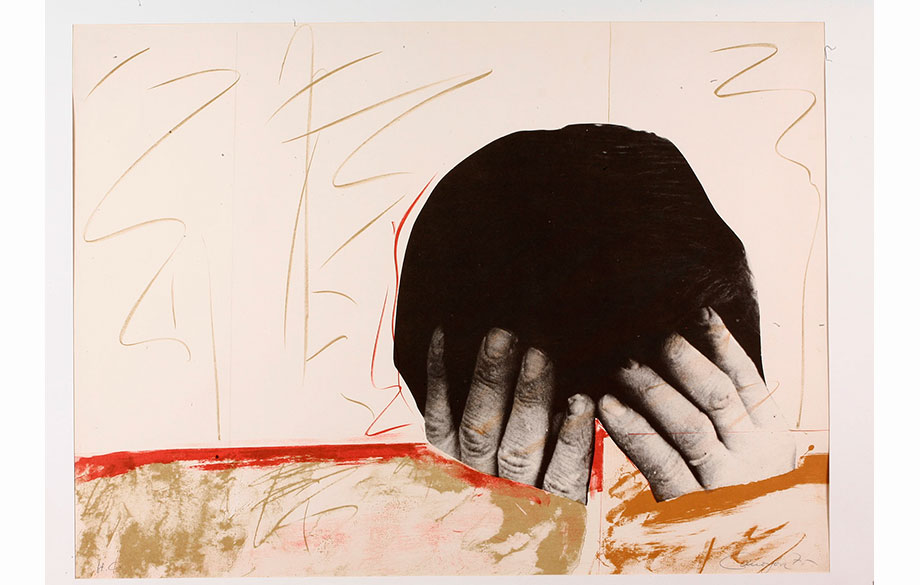
- Rafael Canogar (1935). Spain
Reflection, 1975. Lithography
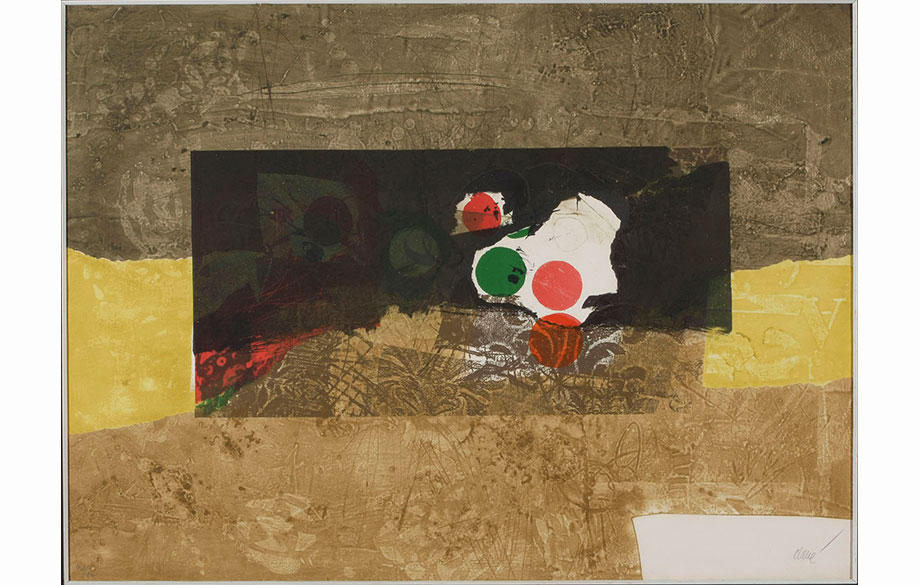
- Antoni Clavé (1913 – ¬2005), Spain. Still life. Color etching, 1970s, embossing


